

Key takeaways
- Throw and catch with the best kids baseballs, from soft tee-ball balls to youth league practice balls made for backyard games, first catches and safe play.
A child learning to throw and catch needs a ball that forgives mistakes. A hard league ball stings small hands, bounces off a glove, and turns a fun afternoon into a reason to quit. The right kids baseball softens the first catches, flies true enough to build aim, and survives being dropped, stepped on, and left out in the grass overnight.
Parents buying for backyard play, coaches stocking a team bucket, and grandparents picking a first ball for a tee-ball player all shop differently, so this guide compares five balls across foam, plastic, and leather-covered practice types, using names and specs taken from their Amazon listings. The five picks below cover the full range, from a soft foam set for a first catch to a full bucket of league-style balls for a whole team.
Quick Picks
As an Amazon Associate we earn from qualifying purchases
| Product | Best for | Key spec from title |
|---|---|---|
| INTOWIND 12-Pack Foam Baseballs | First throws and tee-ball | 9-inch PU foam, 12-pack |
| Franklin Sports MLB Kids Soft Foam Baseballs | Youngest players learning to catch | Official size, 3-pack |
| Rawlings R8U 24-Count Bucket | Team practice and coaches | Youth/8U, 24 balls with bucket |
| Rawlings OLB3 3-Count Practice Baseballs | Backyard batting practice | Official size, cork and rubber center |
| Coopay 12-Pack Plastic Practice Baseballs | Indoor and limited-flight practice | Hollow plastic, 26-hole design |
How to Choose
Match the ball to the child’s age and hand size
A ball that fits a small hand makes catching easier and throwing less frustrating. Foam balls in the 9-inch range suit the youngest players because they are light and easy to grip, while a full-size leather-covered ball fits an 8-and-under player who already handles a glove. Check the age range on the listing before buying, and remember that a ball meant for a teenager will feel heavy and hard to a six-year-old. If two children of different ages share the same balls, keep a soft foam set for the younger one and a firmer practice ball for the older one.
Choose soft foam for first catches, real-feel covers for league prep
Foam balls are the safest way to learn. They cushion a missed catch, bounce softly off walls and fences, and let a child practice indoors without damage. Once a player joins a youth league, a leather-covered ball with a cork and rubber center teaches the real weight, grip, and seams of the game. Plastic hollow balls sit between the two: they fly shorter than a real ball, which suits small yards, but they still reward a clean swing. Pick the type that matches where the child plays most.
Count how many balls practice actually needs
One ball is enough for a single child tossing in the yard, but a batting session eats through balls fast. Every ball hit into a bush or over a fence is a pause in practice, so coaches usually buy by the dozen or the bucket. A 3-pack works for a family, a 12-pack covers a season of backyard sessions, and a 24-count bucket suits a team that practices twice a week. Buying more balls at once also means fewer trips to replace lost ones, which keeps practice time on the field instead of in the car.
Check the cover, core, and seams for durability
A practice ball lives a rough life, so the materials matter. Foam balls should be dense enough to hold their shape after repeated hits, while a leather or synthetic leather cover should feel grippy rather than slick. The core decides the feel: cork and rubber centers give a real-ball weight, while a hollow plastic shell keeps the ball light and limits how far it flies. Raised seams help small fingers grip the ball for throwing, and a sturdy cover resists scuffing on driveways and asphalt.
The 5 Best Options
INTOWIND 12-Pack Foam Baseballs

The INTOWIND 12-pack is a gentle way to introduce a young child to throwing and catching. Each ball is a full 9 inches of soft polyurethane foam, so a missed catch stings far less than a leather ball would, and the bright yellow color makes the ball easy to track in the air and find in the grass. A dozen balls means a child can keep throwing without chasing every miss, and the included mesh bag keeps the set together between sessions.
Specs
- 12-pack of foam baseballs
- 9-inch diameter
- 100 percent polyurethane foam construction
- 0.88 ounces per ball
- Age range: Kid
- Reusable mesh drawstring bag included
Best for: First throws, tee-ball players, and indoor practice
Watch out for: Foam balls are light, so they drift more in wind than a leather ball
ASIN: B0CKTF57CX
Franklin Sports MLB Kids Soft Foam Baseballs

Franklin Sports pairs an official-size shape with a soft foam body, which makes this 3-pack a natural fit for the youngest players. The balls feel like a real baseball in the hand, with the same round shape and a familiar look, but the polyurethane foam gives way on impact instead of bruising a small palm. Three balls is the right count for a parent and child playing catch, and the MLB license adds a team feel that young fans enjoy.
Specs
- 3-pack of soft foam baseballs
- Official size
- Polyurethane foam material
- Red, white, and blue colors
- Model number: 14929C1
- UPC: 025725595853
Best for: Toddlers and early elementary players learning to catch
Watch out for: Only three balls in the pack, so buy two packs for a busy practice
ASIN: B0DJ21VKLW
Rawlings R8U 24-Count Bucket

The Rawlings R8U bucket is built for coaches and teams. Twenty-four balls arrive in a durable white bucket that doubles as storage and transport, so a coach can carry a full practice supply in one hand. Each ball has a cork and rubber center with a synthetic cover, giving young players the grip and feel of a real league ball at a size and weight made for 8-and-under teams through a long season.
Specs
- 24-count bucket of practice baseballs
- Youth/8U age range
- Cork and rubber center with synthetic cover
- Model number: R8UBUCK24
- 0.31 pounds per ball
- Bucket included for storage and transport
Best for: Youth league coaches and team practice sessions
Watch out for: The bucket adds bulk, so it suits a car trunk better than a backpack
ASIN: B074XFL944
Rawlings OLB3 3-Count Practice Baseballs
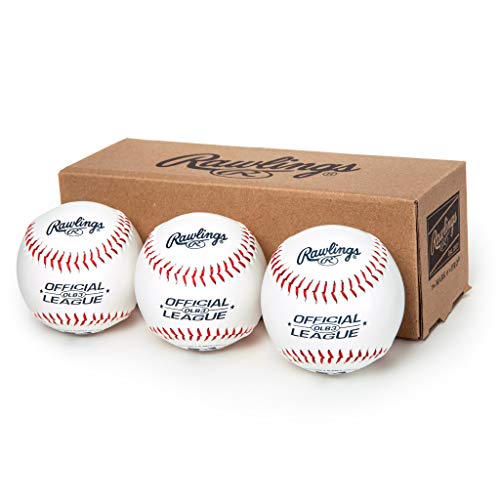
The Rawlings OLB3 3-count is the backyard version of the team bucket: the same official-size ball with a cork and rubber center and a synthetic leather cover, in a small box that fits a family. Raised seams give small fingers a grip for throwing, and the solid core holds its shape through repeated batting practice. A mesh bag comes with the set, which keeps the three balls from rolling away between sessions.
Specs
- 3-count box of practice baseballs
- Official size and weight
- Solid cork and rubber center
- Synthetic leather cover with raised seams
- Model number: AMAOLB3BOX3
- UPC: 083321692888
Best for: Backyard batting practice and casual family games
Watch out for: Three balls run out fast during a long batting session
ASIN: B00AWVNPMM
Coopay 12-Pack Plastic Practice Baseballs

The Coopay 12-pack is a hollow plastic practice ball with a 26-hole design that cuts flight distance, which makes it a strong choice for small yards and indoor spaces. The balls are light enough to use safely near windows and walls, and the soft plastic pops back into shape after a hard hit. A drawstring bag holds the dozen together, and the sky blue color stands out against grass and pavement.
Specs
- 12-pack of plastic practice baseballs
- Hollow soft plastic construction
- 26-hole design for limited flight
- Sky blue color
- Drawstring bag included
- Lightweight, safe for indoor use
Best for: Indoor practice and small yards where a real ball flies too far
Watch out for: Hollow plastic balls feel lighter than a real ball, so they suit drills more than game play
ASIN: B0GF88XGJW
Which One Fits Your Situation
A first ball for a tee-ball player
Pick a soft foam ball. The INTOWIND 12-pack and the Franklin Sports 3-pack both cushion missed catches and let a young child focus on the motion of throwing instead of the fear of getting hurt. A dozen foam balls also means the child can practice alone, throwing against a wall and collecting the balls without help.
A coach stocking a team bucket
Buy the Rawlings R8U 24-count bucket. Twenty-four balls with a cork and rubber center give a whole team enough supply for batting practice, and the bucket keeps the balls organized on the bench and in the car. The Youth/8U sizing matches the players who need it most. The bucket also serves as a seat during games, which coaches appreciate on long days.
Backyard practice with limited space
Choose the Coopay 12-pack. The hollow plastic balls with a 26-hole design fly shorter than a real ball, so they stay inside a small yard and bounce gently off fences and siding. They also work indoors, which keeps practice going on rainy days. A dozen balls also means fewer pauses to chase strays over the fence.
A family that plays every weekend
Keep two types on hand. The Rawlings OLB3 3-count gives older kids a real-feel ball for batting practice, while a foam set covers younger siblings who join in. Having both types means nobody waits for a turn with the only ball. Store both types in one mesh bag so the next game is ready to go.
Common Mistakes
- Buying a hard adult league ball for a child under eight, which hurts hands and kills confidence
- Choosing a single ball for a batting session, then losing practice time to chasing misses
- Picking a wiffle-style ball for league preparation, since the flight and weight differ from a real ball
- Ignoring the age range on the listing and ending up with a ball too heavy for small hands
- Storing balls loose in a garage, where they scatter, get stepped on, and go missing before the next game
Frequently Asked Questions
What size baseball should a child use?
Most kids baseballs are official size, about 9 inches around, but the material matters more than the measurement. Foam and plastic balls in the same size feel much lighter and safer for young hands, while a leather-covered ball in official size suits a player in a youth league. Check the age range on the listing, since listings name the age group each ball fits.
Are foam baseballs good for real practice?
Foam baseballs are good for learning to throw, catch, and hit without pain, and they work well for tee-ball and early practice. They do not fly or feel exactly like a leather ball, so a player preparing for league games should also practice with a leather-covered ball that has a cork and rubber center. Many families keep both types and switch between them as skills grow.
How many baseballs does a family need?
Three balls cover a simple game of catch, while a dozen suits regular batting practice in the yard. A team needs a bucket of 24 or more, since balls get lost in bushes and over fences during every session. Buying a larger count at once costs less per ball and keeps practice moving without constant trips to buy replacements.
Can kids practice baseball indoors?
Yes, with the right ball. Foam balls and hollow plastic balls are light and soft enough for indoor throwing and catching without damaging walls or furniture. Avoid leather-covered balls indoors, since their weight and hardness can break windows and dent drywall. Clear a space, use a soft ball, and keep the throws gentle.
More from Amazon
Programs that pair well with the guide above. Offers and eligibility are set by Amazon and may change.
Free shipping on eligible items, Prime Video and more. Eligible new members can start with a free trial.
Start a Prime free trialAudiobooks and podcasts to listen to on the go. Eligible new members can start with a free trial.
Try Audible freeAd-free music streaming. Eligible new subscribers can start with a free trial.
Try Music Unlimited freeA free business account with business pricing and bulk-buying tools for work, shop or home office.
Create a business accountAs an Amazon Associate we earn from qualifying purchases.
Write Your Review
No reviews yet. Be the first to share your experience!